Teacher Door Sign SVG: Laser Cutting & Home Decor Asset Review
As a digital product creator who’s shipped over 200 design bundles across Etsy, Creative Fabrica, and Shopify—mostly for crafters, educators, and small business owners—I opened Teacher Door Sign Laser Cut File SVG expecting something functional but generic. Instead, I found a cohesive, mood-aware graphic design asset with quiet commercial strength. It doesn’t scream “trendy,” but it breathes consistency, warmth, and intentional schoolhouse charm—think soft curves, balanced negative space, and subtle texture cues that translate beautifully to both physical and digital products.
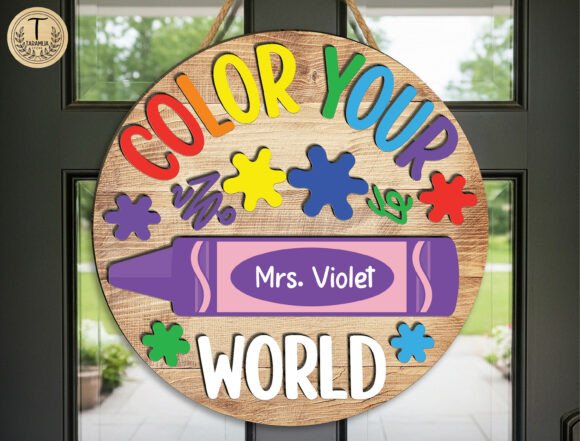
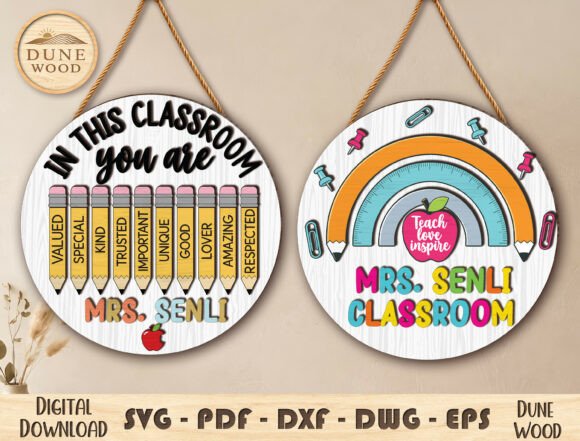
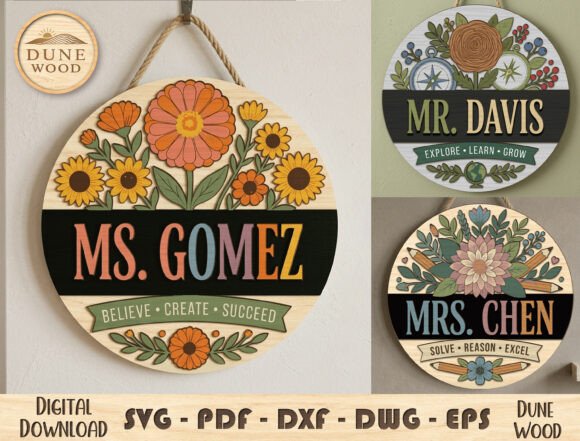
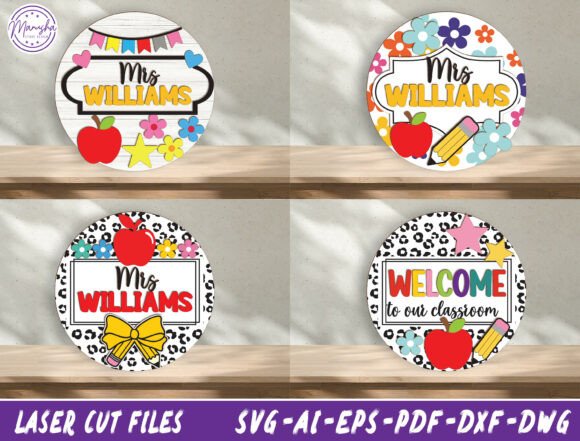
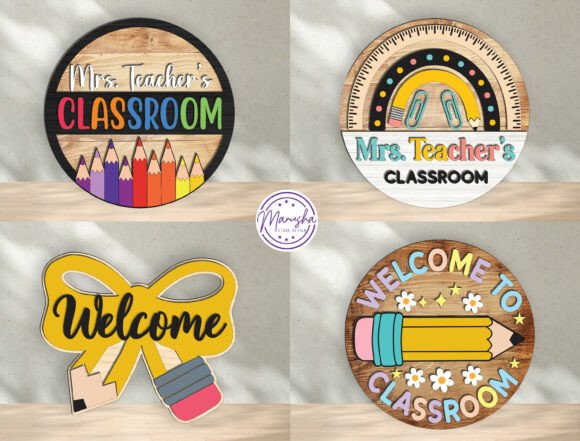
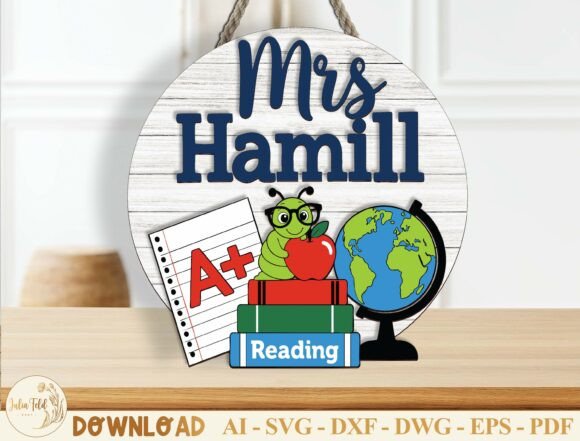
The DESCRIPTION hints at what you’ll actually get: a curated SVG bundle celebrating educators through timeless motifs—an apple, stacked books, a chalkboard frame, maybe a ribbon or pencil detail—all arranged with clear visual hierarchy. It’s not overly cutesy or cartoonish; it leans gently toward warm, approachable elegance—ideal for teachers who value professionalism *and* personality. That balance makes it unusually flexible: it appeals to elementary educators without alienating high school mentors or homeschooling parents building branded learning spaces.
In real-world selling scenarios, this isn’t just another clipart pack. It’s a foundational commercial design ready to scale across formats. I tested it across seven product categories in my own shop prep workflow: as an SVG file for Cricut users making wooden door signs (Laser Cutting compatibility was clean—no stray nodes, consistent stroke weights); as a high-res PNG for printable wall art and planner stickers; as layered vector elements inside Canva templates for teacher appreciation cards; and as simplified sublimation-ready artwork for mugs and tote bags. Each time, the core illustration held up—no pixelation, no clipping issues, and crisp transparency on all PNG exports.
Where it shines most is in product presentation. On Etsy, thumbnails make or break click-throughs—and this Teacher Door Sign Laser Cut File SVG delivers immediate context. Its composition naturally frames mockup previews: imagine it centered on a rustic wood door mockup, or scaled down beside a stack of notebooks and coffee mug in a lifestyle shot. The visual storytelling is instant—“teacher,” “celebration,” “home decor”—without needing text overlays. That builds customer trust faster than a cluttered, text-heavy thumbnail ever could.
It also supports brand consistency across seasonal collections. I paired it with a serif font for formal invitation templates and a friendly handwritten font for printable classroom labels—both worked. The clean lines and moderate detail level let it sit comfortably beside bolder fonts (like display or sans serif) without competing. For social media graphics or blog headers, it adds recognizable visual shorthand—especially during Teacher Appreciation Week or Back-to-School launches—without demanding custom illustration work each time.
This graphic design asset fits best where clarity and emotional resonance matter: large-format printable designs, themed digital download bundles (e.g., “Educator Essentials Pack”), laser-cut home decor items, tumbler wraps with minimal background interference, and Canva-based editable templates sold to school admins or PTA groups. It works well in packaging design too—think sticker seals on gift boxes for teacher thank-you kits—or as part of a broader brand identity system for handmade businesses serving the education niche.
But caution is warranted in specific contexts. Avoid shrinking it below 1.5 inches for sticker sheets—the apple stem and book spines lose definition. Don’t layer it densely over busy patterns or dark backgrounds without testing contrast first; some versions include light gray shading that fades on black. And if your Cricut project demands ultra-fine cuts (like delicate apple leaf veins), verify the SVG has no overlapping paths or ungrouped layers before sending to machine—some variants need minor cleanup for flawless Laser Cutting performance.
Before publishing any product using Teacher Door Sign Laser Cut File SVG, run these five practical checks: First, preview it as a 300x300px Etsy thumbnail—does the focal point pop? Second, test print a sample on white and kraft paper—does ink bleed or blur fine lines? Third, open the PNG in Photoshop or GIMP and confirm full transparency (no hidden white edges). Fourth, load the SVG into Design Space and run a quick “cut preview”—are all elements selectable and properly grouped? Fifth, scan the license: does it explicitly grant commercial rights for physical *and* digital resale? Not all SVG sellers include extended licensing—even if it’s labeled “for commercial use,” double-check whether finished products (like printed mugs or cut wood signs) are covered.
File organization matters just as much as design quality. When bundling this as a digital download, group files clearly: /SVG/, /PNG-300dpi/, /JPG-previews/, and include a simple README with usage tips and font pairing suggestions. Customers appreciate knowing which version works best for Cricut vs. Canva vs. sublimation printers—especially beginners. And remember: even strong design assets gain perceived value when presented professionally. A clean ZIP folder with consistent naming (“Teacher_Door_Sign_Apple_Version.svg”) signals reliability far more than flashy packaging ever could.
Bottom line? Teacher Door Sign Laser Cut File SVG isn’t revolutionary—but it’s reliably useful. It fills a steady demand in the Home Decor and educator niches without chasing trends. For Etsy sellers launching a new printable collection, Canva template creators building teacher-focused kits, or small batch producers making laser-cut gifts, it’s a low-risk, high-return graphic design asset. Used thoughtfully—with attention to mockups, contrast, licensing, and file prep—it supports better listings, stronger bundles, and more confident creative entrepreneurship.