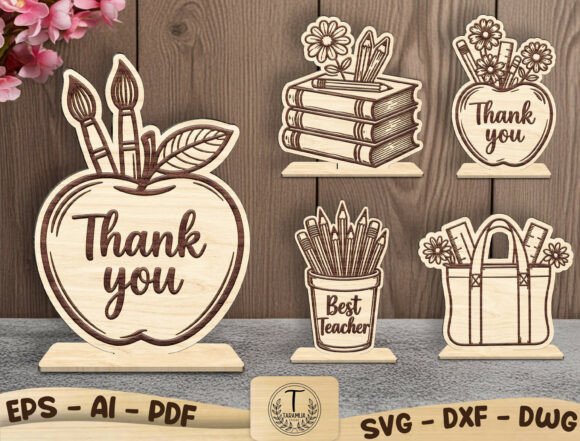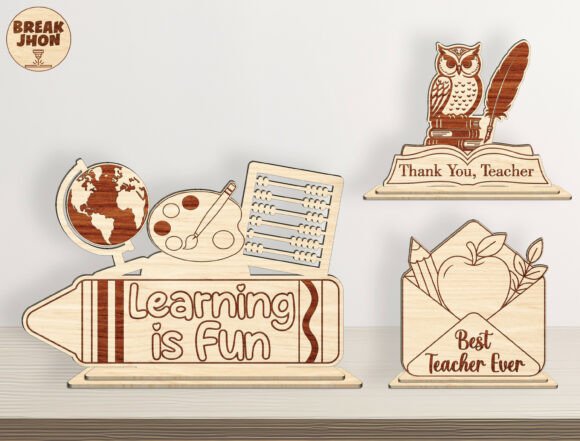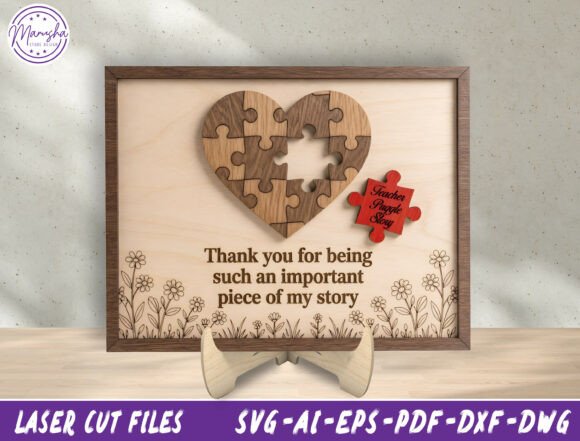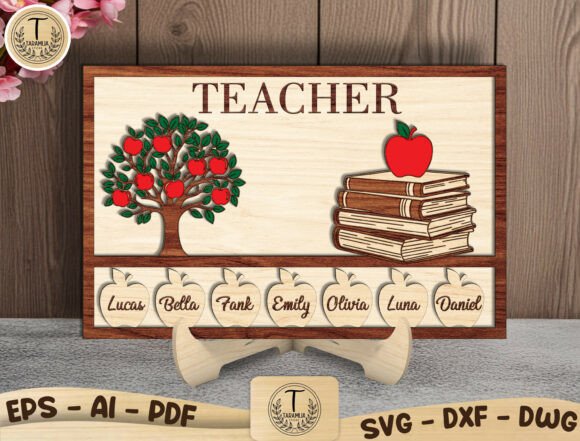
Teacher Classroom Door Sign SVG Bundle
A Cheerful, Layered Design—But Does It Stitch Cleanly?
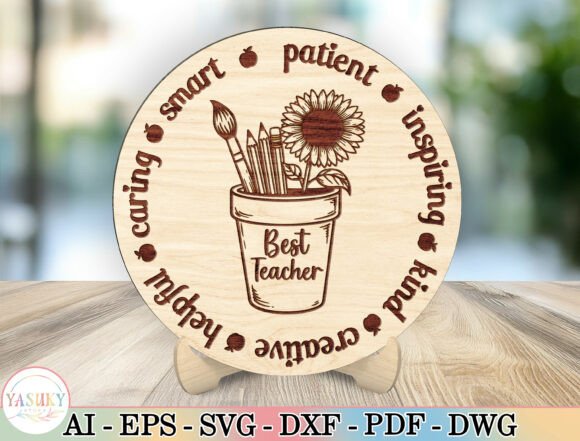
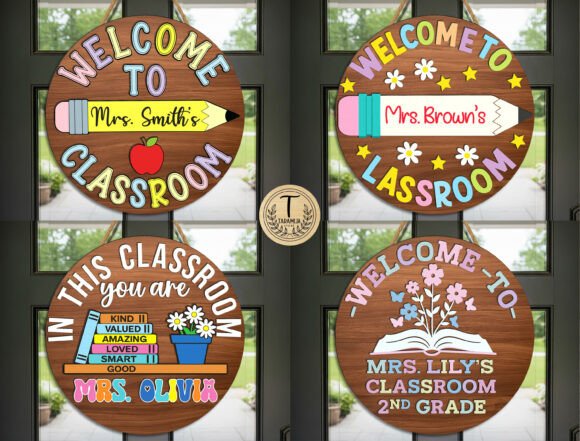
As someone who’s digitized and stitched over 300 classroom-themed embroidery files—ranging from alphabet samplers to teacher appreciation patches—I opened the Teacher Classroom Door Sign SVG Bundle expecting warmth and clarity. What I got was a layered round design with playful pencils, books, and subtle “boo” motifs (likely for back-to-school fun, not Halloween). Visually, it leans into cheerful minimalism: soft curves, balanced negative space, and intentional layering that mimics wood grain or painted signage. That’s promising—but in embroidery, mood doesn’t stitch itself. So I asked: does this translate cleanly to thread on real fabric?
Where It Shines: Tote Bags, Sweatshirts & Boutique Nursery Items
I tested the Teacher Classroom Door Sign SVG Bundle as a centered chest embroidery on a heavyweight cotton tote—and it worked beautifully. The round shape anchors the composition without crowding; the layered elements read clearly at 4.5" wide. On a cream-colored sweatshirt, the design felt inviting but not childish—a rare win for educator-themed embroidery. It also translated well onto a linen-cotton blend tea towel, where the open areas between pencils and books let the fabric breathe, avoiding dense fill-stitch fatigue.
For Etsy sellers and small shop owners, this is a smart digital embroidery file for seasonal listings: back-to-school launches, teacher appreciation week bundles, or personalized baby nursery decor (think: embroidered pillow covers for a kindergarten-themed nursery). Its cheerful tone fits naturally in Other Celebrations, especially when paired with soft thread palettes—sage green, butter yellow, slate blue—rather than primary-color overload.
Where It Needs Extra Care: Tiny Details & Tricky Fabrics
The “boo” motif and pencil erasers are charming—but they’re also the first places to fray or blur during stitching. On thin cotton poplin or stretchy jersey (like a toddler t-shirt), those fine lines softened unless I added medium-weight cutaway stabilizer and slowed my machine speed by 20%. And while the round shape helps with hoop alignment, the outermost layer’s subtle scalloping didn’t register cleanly on textured fabrics like terry cloth or looped fleece—so I’d skip it for embroidered towels or blankets meant for heavy use.
On dark fabric? Absolutely test thread contrast first. Some of the lighter fill-stitch zones (like chalkboard-style backgrounds) rely on light thread to pop—if you’re stitching on navy or charcoal, switch to matte white or ecru instead of glossy bright white, which can look plasticky. Also: avoid placing it near seams, curved surfaces like cap fronts, or anywhere high abrasion occurs (e.g., lower hem of an apron). The design wasn’t built for distortion—it’s happiest on flat, stable ground.
Design Notes Every Embroidery Professional Should Check
- Test before committing: Run it on scrap fabric matching your final product’s weight and stretch—even if it’s just a 2"x2" swatch.
- Review stitch density: Dense satin-stitched outlines around pencils hold up well, but avoid doubling layers unless your machine handles high-density fills reliably.
- Hoop size matters: The round layout simplifies hooping, but confirm your hoop clears the full diameter—including any decorative outer border in the file.
- Inspect tiny lettering: If your version includes “Welcome” or “Mrs. Smith’s Room,” check legibility at 3" width—some fonts collapse under fill stitch.
- Mock it both ways: Generate black-and-white printable mockups on light and dark backgrounds. Does the visual hierarchy hold? Does the “layered wood” effect still read without color cues?
- Stabilizer isn’t optional: Use cutaway for knits, tear-away for stable wovens, and consider topping for napped fabrics like fleece.
- Licensing check: Since this is marketed as a digital embroidery file, verify whether commercial use (e.g., selling finished embroidered totes on Etsy) is permitted—not assumed.
How It Shapes Customer Trust & Handmade Value
In my experience, buyers don’t just buy a machine embroidery design—they buy confidence in the result. The Teacher Classroom Door Sign SVG Bundle delivers that quietly: its balanced proportions and intentional spacing signal craftsmanship, not clip-art haste. When stitched cleanly on a premium tote or baby onesie, it elevates perceived value—customers see care in the placement, not just the theme. That builds trust, especially for first-time buyers browsing a craft fair booth or Etsy shop.
But here’s the catch: if the tiny pencil tips blur or the “boo” fades into background fill, that same design can undercut professionalism fast. So while it’s absolutely viable for custom apparel, embroidered patches, or holiday gifts for teachers, its success hinges on thoughtful execution—not just file import.
A Final Thought for Creative Entrepreneurs
This isn’t a “set and forget” embroidery file. It’s a collaborative tool—one that rewards attention to fabric choice, stabilizer selection, and thread contrast. As a designer who’s shipped embroidered teacher gifts to schools across three states, I’d confidently use the Teacher Classroom Door Sign SVG Bundle for boutique merchandise, personalized baby items, or small-batch sweatshirt runs—provided I treated it like a hand-drawn sketch, not a stock graphic. It’s cheerful without being cutesy, layered without being fussy, and classroom-themed without leaning into cliché. Just remember: great embroidery starts before the needle drops. Test it. Tweak it. Then let it welcome someone warmly—stitched, sincere, and made to last.